The Nifty doesn’t owe you a rebound
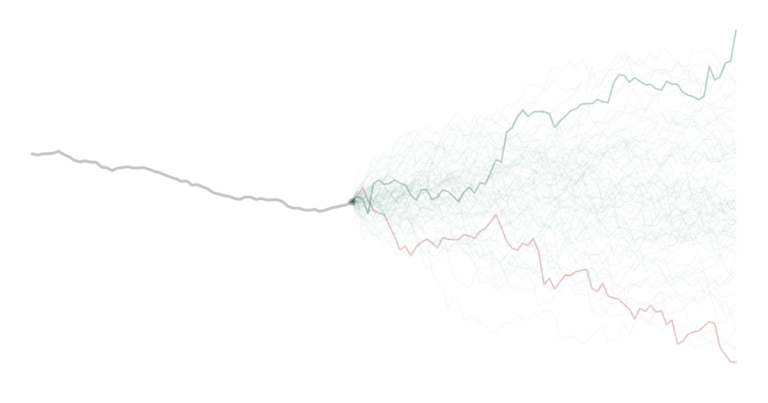
The Nifty has returned 6.6% a year for five years. The chart that promises a rebound shows up just as clearly in fake markets that cannot rebound. Meanwhile, earnings rose 81% and the P/E fell from 27 to 19.

The Nifty has returned 6.6% a year for five years. The chart that promises a rebound shows up just as clearly in fake markets that cannot rebound. Meanwhile, earnings rose 81% and the P/E fell from 27 to 19.

Bonus and split do the same thing to your holding. Same share count after, same price, same stake in the same company. They also do the same thing to your P&L, right up until you sell. Then they diverge, by…
Everyone advising you how to invest sits on a payoff structure that shapes what they say. The question is not whether they are biased — everyone is. The question is which direction the bias runs, and whether it points toward your interest or away from it. Cynicism is not a strategy. When you opt out of all advice, you do not escape the payoff structure — you just hide whose interest you have defaulted to.

The Nifty cannot melt up the way Taiwan's market just did, and the reason is the same thing that keeps it from blowing up.

Why retail investors fixate on fees and taxes, and miss what actually moves their returns
One of the most common questions investors ask is, “what percentage of your trades are winners?” It sounds perfectly reasonable. And honestly, it’s the same question I would have asked a few years ago. We’re wired to think in terms…
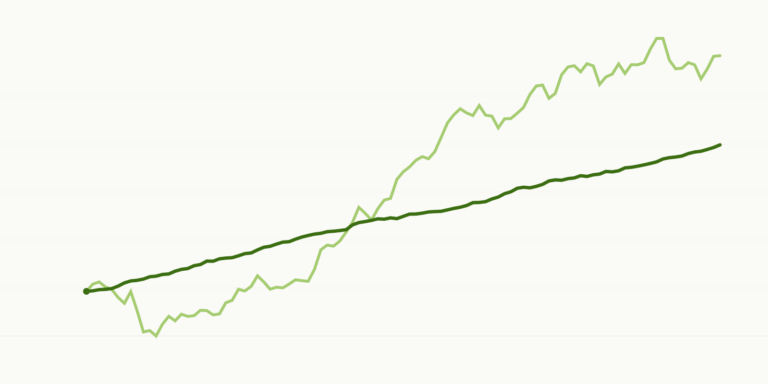
Modern Portfolio Theory taught a generation of investors that risk equals volatility. That conflation is fine for a 60-year-old living off their portfolio. For a 30-year-old with three decades of compounding ahead, it is one of the most expensive ideas in personal finance.
Money is not a spreadsheet problem. The conversation keeps pretending it is.
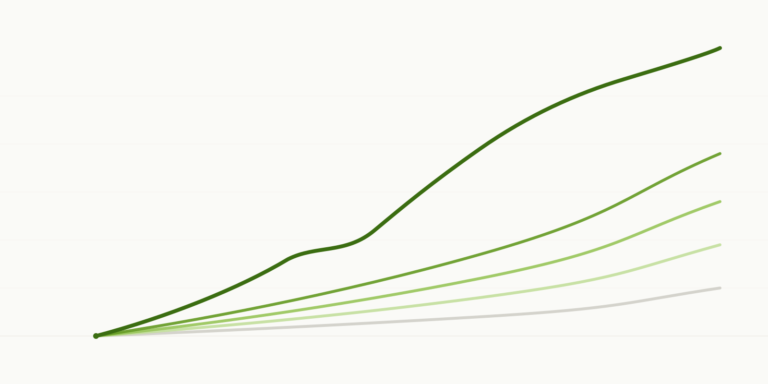
Most equity investors think they own "the market." They actually own a factor. Over 21 years on Nifty 500 data, the gap between the best and worst factor turned ₹1 lakh into either ₹52 lakhs or ₹13 lakhs. The interesting part is not which factor won. It is what each factor put its investor through to get there.