The Nifty doesn’t owe you a rebound
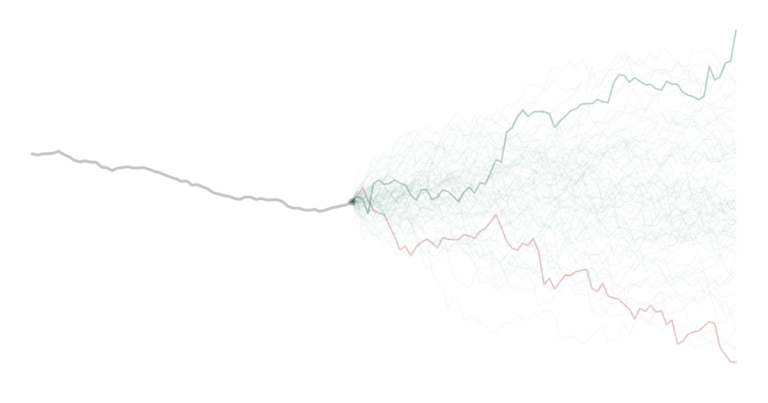
The Nifty has returned 6.6% a year for five years. The chart that promises a rebound shows up just as clearly in fake markets that cannot rebound. Meanwhile, earnings rose 81% and the P/E fell from 27 to 19.


The Nifty has returned 6.6% a year for five years. The chart that promises a rebound shows up just as clearly in fake markets that cannot rebound. Meanwhile, earnings rose 81% and the P/E fell from 27 to 19.

Bonus and split do the same thing to your holding. Same share count after, same price, same stake in the same company. They also do the same thing to your P&L, right up until you sell. Then they diverge, by…
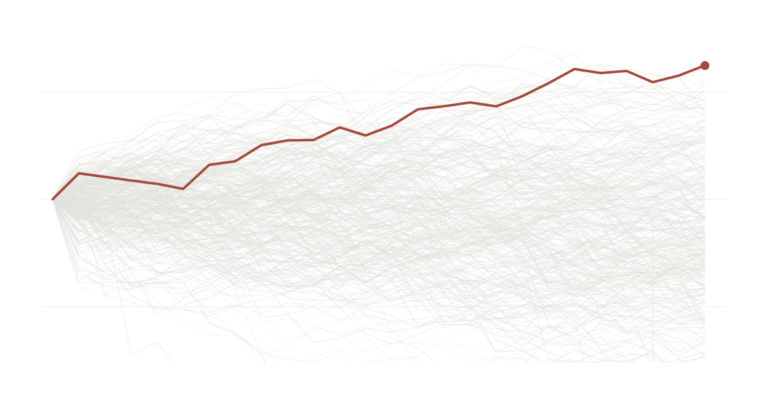
Thousands of Indian investors borrowed early, concentrated hard and held through the falls. You have only ever heard from the ones it worked for. A look at why the origin stories of famous investors are poor instructions, and the three questions to ask before copying any of them.
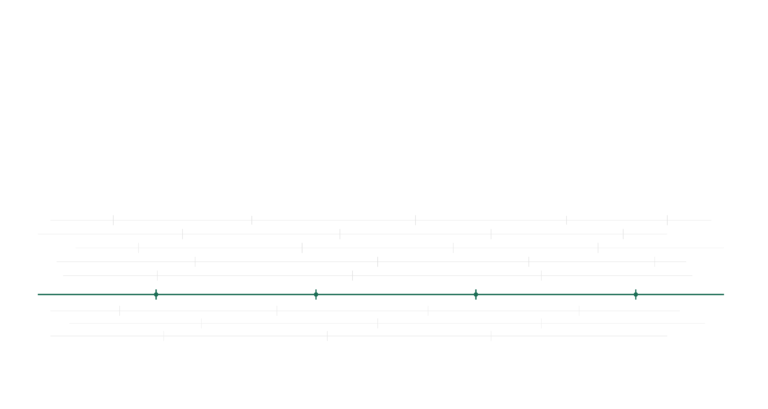
Everyone advising you how to invest sits on a payoff structure that shapes what they say. The question is not whether they are biased — everyone is. The question is which direction the bias runs, and whether it points toward your interest or away from it. Cynicism is not a strategy. When you opt out of all advice, you do not escape the payoff structure — you just hide whose interest you have defaulted to.

India's AI proxies, fibre, power and electronics, ran 100 to 450% on the global capex cycle. On Monday they fell with Samsung and Korea while the Nifty barely moved. A note on what these stocks actually are.

The Nifty cannot melt up the way Taiwan's market just did, and the reason is the same thing that keeps it from blowing up.
A short game about trading the news. 12 real headlines, 12 real market reactions, your portfolio on every call. Takes about 8 minutes.

Why retail investors fixate on fees and taxes, and miss what actually moves their returns
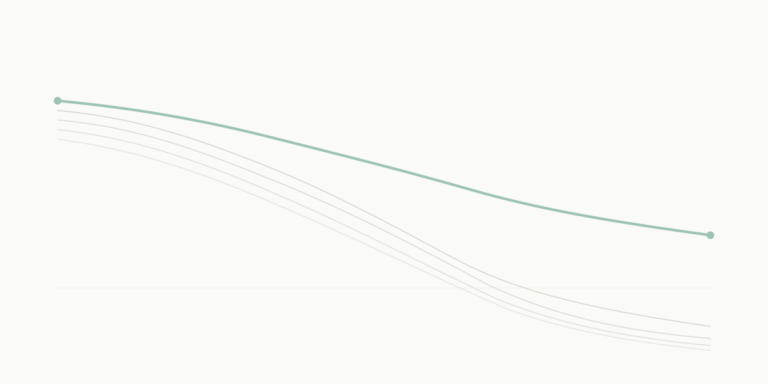
The thinking says high-flying stocks crack first in a correction. The latest fall in Indian equities says otherwise. The 240 NSE stocks that had run up the most going in had a median return of around −9.5%, almost four points shallower than the Nifty's −13.7% and shallower than every other decile.